As you may have noticed, we took a LONG time to get Baby Step 7 out to you but we have a good reason! I got completely distracted with emergency preparedness. Over the past few weeks I had the chance to relax and do a lot of thinking/pondering about my food storage and emergency plan. The relaxation soon ended as I became somewhat frantic with how “unprepared” for an evacuation-type disaster I was. I needed to be more on top of the advice we’ve been giving on our getting started page!
 So last week I started on a mission … to get my emergency plan ironed out, including the disaster kit and 72 hour kit food items. Back in July when Jodi bought all the ingredients to update our 72 hour kits, I put mine in a bag in the closet (the truth comes out). I started to think, if I had to evacuate my house I would be in big trouble. All my food was in a bag in one closet, the emergency supplies I DID have were scattered around the house, and another thing – my important documents binder wasn’t made and I had no cash in case credit card systems were down. How would it have worked for me if I had to evacuate my house quickly – ummmm not so well!
It’s been about 5 days of me focusing really hard and now I finally have my emergency bin all put together! We are going to be focusing a whole month on Emergency Preparedness early next year, but for now I wanted 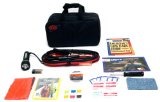 to fill you in on a couple things I did and learned.
1- I bought a car kit ($20 at Wal-Mart). If your Wal-Mart doesn’t carry something like this, we found this Emergency Road Assistance Kit that is very similar and is great because you can toss in a water bottle and some snacks into the bag as well.
2- I PUT my binder with important documents together (passport, birth certificates, social security cards etc). When doing this, I asked myself one simple question – if my house burned down – would I be annoyed I didn’t have this document? If so, I put it in.
3- I went to the bank and took out $200 cash – and asked for small bills. In Hurricane Ike, a lot of people commented on how they wish they would have had small bills so they weren’t paying too much for stuff when stores didn’t have change.
4- I put my 72 hour kit food in a nice old big plastic animal cookie bin. It fit perfectly and was easier than using milk jugs (I like easy).
5- I gathered up all the items in the disasters supplies area of our Emergency Preparedness Plan and purchased the things I didn’t have.
6- I placed ALL this stuff in a big bin in my front hall closet. I was sad because I had a cute little shelf all arranged in my basement for this, but then learned that it’s best to keep your kit somewhere that you can access it easily if you have to evacuate quickly.
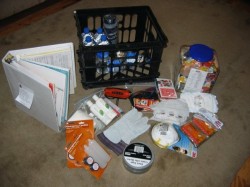
p.s. My wonderful sister sent me a list of things she compiled for HER emergency kit. Some of the items were not initially on the list that we posted under Getting Started. I have recently added them to our Emergency Preparedness Plan and uploaded the revised list so you may want to print off a new copy if you have been using the older version.
Have you done your emergency checklist yet? You can accomplish all of this within a few days if you just set your mind to it!

-Jodi Weiss Schroeder
http://foodstoragemadeeasy.net