Alternatives to Wheat for Food Storage

In our series featuring Why People Do Food Storage we touched briefly on allergies as one of the “health benefits” of doing food storage. (Please note: Our final article in that series will be posted later this week!) We wanted to go into a little more detail about that since we get quite a few readers asking us what to do if they have wheat allergies since wheat is one of the items we are supposed to store the most of according to traditional food storage calculators. We have two basic recommendations or suggestions for you:

1. Store extra of the other grains
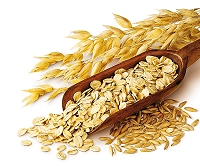
According to food storage calculators, one adult should store 300 lbs of grains for a one year supply of food. Of this 300, half of it is supposed to be wheat. If you have a wheat allergy, obviously this is not going to apply to you. You may choose to store a lot more alternative grains which include oats, gluten-free quinoa, millet, amaranth, rice, or cornmeal. You can start to collect food storage recipes that use these grains instead of focusing on the traditional items like breads, etc.

2. Learn how to make substitutions
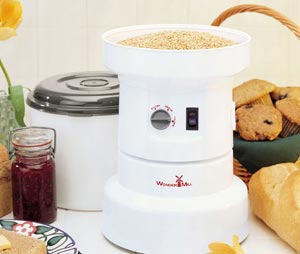
A lot of recipes that call for wheat flour can be modified for wheat allergies. For example, cream of chicken soup or any white sauce base recipe can be made using bean flour. You can make gluten-free bread using other flours such as rice flour, millet flour, oat flour, etc. If you own a wheat grinder then these types of substitutions are SO easy to make and you can store the bulk grains in your food storage, just like you would store wheat! For a great summary of different types of gluten-free flours check out this post on the Gluten Free Mommy blog.

We need your help!

We would love to compile some even more in depth resources for people who suffer from Celiac Disease or others who need to follow a gluten-free diet. If you have good food storage recipes or other tips on how to do gluten-free food storage please email them to info@foodstoragemadeeasy.net. We will be incorporating all of your feedback into a helpful handout that will hopefully benefit a lot of people who are trying to live gluten-free AND work on food storage!



Tags: , , ,
  • does the bean flour have to be made of white or navy beans? what i mean is can i make flour from black beans, etc...?
  • Yes you can make it from any bean. The flavors will vary slightly but it will work. We tend to use whatever color of bean matches the food we are making.
  • I grind my own rice flour, brown, white and sweet. I also have the tapioca perals ready to try. I also grind my own corn and beans.
  • couponshopper
    I don't need a GF diet but I just purchased nine 15 lb bags of Bastmati Rice at Sam's Club. I put them in six gallon buckets with 1500 or 2000 cc of O2 absorpers and a gamma seal. The rice needs to be soaked first but it smells like corn and comes out long and seperate. It's around .70/lb so more expensive than the other rice.
  • You must be reading my mind. This year I found out that I'm Celiac and I've been working on gluten-free food storage solutions. I'll let you know what I come up with.
  • Zoo Nana, you do know that you can make your own flours. Store the whole grain and grind it yourself. I just got a Back-to-Basics hand grinder for $50 - and I can turn it easily. The flour isn't as fine as with my electric grinder, but in a pinch, it would work. The only thing that you may not be able to make flour with at home would be the almonds. It may have too much oil for home grinders. I think they express the oils out of the almonds before they grind it, dry it out and THEN grind it to a flour. Otherwise, you'd have almond butter. But the soy, brown and white rice, and bean flours can be ground at home - and a lot cheaper too! Then you'd have more money to stock up on the Xanthan gum. As a side note, I've been reading that a lot of people who have problems with wheat are really having problems with enriched wheat flour that is commercially prepared. It seems what they are really reacting to is a compound in the "enriching" process. Don't have any Celia people in the family, so I don't know if this would work for you guys. I'm just tossing it out there in case you can use the info.You can dehydrate a lot of different foods. Homemade Mac and Cheese, Hamburger, chicken, turkey, beef, chili, etc. All you do is use either the plastic liner you'd use to make fruit leathers or wrap the shelf screen with plastic wrap. Dry and you can then put the food into your 72 hr kits. I also make a thicker chili, so it's not a "soup" consistency, reduce it if you need to or add less water when you make it. It takes less time to dry and won't run off the tray on you. Portion an amount out on the dryer tray. Dry it and then remeasue what's left. Subtract out the difference and you know how much water you need to add back into it to rehydrate it.
  • i want to hear more about just add mixes
  • Thank you Freida. I do a lot of canning. Fortunately canned fruit and veggies and usually plain canned meats are fine to buy. If I want mixed items like stew, chili and sauces I usually make and can them myself. Lately I've been focusing more on making just-add-water mixes since they are lighter and easier to carry. They take a LOT less time and money to prepare and store too.
  • Zoo Nana~ what a wealth of info! You may want to consider canning/bottling your own fruits, soups, meats and veggies. Investing in a steam canner and pressure canner are worth it since YOU know what goes into the product.
  • Zoo Nana~ what a wealth of info! You may want to consider canning/bottling your own fruits, soups, meats and veggies. Investing in a steam canner and pressure canner are worth it since YOU know what goes into the product.
  • Ahhh this is a big deal here in my house since we have several Celiacs in our family. It's been difficult and expensive to store large quantities of gluten free items. You’d be surprised how many ordinary, everyday foods are not gluten free. Most items we need don't come in bulk sizes. (with our large family I need bulk sizes for everyday use too) For example I can't get gluten free soy sauce in large sizes, gluten free pasta comes in only in sizes of 1 lb or less and a 5 lb bag of all purpose gluten free flour is about $15. I’m very limited in my choices for canned soups and canned meals and there are almost no gluten free prepared long term storage meals. There are gluten free MRE type meals, but they cost 4x more than regular MRE’s. I’ve had to come up with my own prepared storage meals. Every item I add to our storage has to be checked to insure it is gluten free, even items I’ve found that were gluten free when I purchased them before. Companies change their ingredients and I have to watch for those changes. Nothing worse than picking up a dozen cans of something we’ve used many times before, just to find out we can’t use it anymore. Gluten is also hidden in the ingredient labels. Ingredients listed like modified food starch or caramel coloring can mean just about anything, and without calling the company to confirm, we’d never know if it’s gluten free.I’ve stored a huge assortment of flours like soy flour, white and brown rice flour, bean flour, and almond flour. Until we went gluten free, I didn’t know so many flours were available! We also have assorted starches like potato, corn and tapioca. Baking gluten free bread can be a headache without the right recipes and lots of practice, almost all call for several types of flour for one recipe. Xanthan gum is an important ingredient in most gluten free bread recipes too. Fortunately being gluten free is much easier now than it was 20 years ago when my son was diagnosed Celiac. There was almost nothing available for him back then and I had to come up with all my own recipes for things. It’s so nice now to be able to have a gluten free birthday cake for my 9 yr old Celiac daughter. (even Betty Crocker has gluten free baking mixes now!) We’re able to enjoy gluten free pizza, bagels, cookies, muffins and waffles too. Feel free to contact me if you have any questions. I’ve been doing this a long time.
  • My Bad although I know people with Celiac who do not have problems with spelt.http://www.celiac.com/articles/185/1/Gluten-Free-Grains-in-Relation-to-Celiac-Disease---by-Donald-D-Kasarda-Former-Research-Chemist-for-the-United-States-Department-of-Agriculture/Page1.html
  • Spelt isn't gluten free.
  • I am pretty certain I could live off of popcorn so I plan on storing a good amount of that, too.
  • Don't forget Spelt. Ground for bread and rolled for hot oatmeal like cereal.
  • I'm a celiac, and have lots of grains in storage. Oats (gluten free natch), loads of rice, cornmeal, quinoa, masa flour (for tortillas), risotto rice, and mixes, Pamela's bread mix, Pamela's pancake mix, gluten free crackers, rice cakes, and sushi rice. Yes, I have at least 3 types of rice in storage.
blog comments powered by Disqus

Please note: we reserve the right to modify or delete any comment that is inappropriate, promotional in nature, or offensive. Please be considerate in your remarks.