One of the main reasons we kept procrastinating on starting our food storage was because we had no idea how we would actually use it once we had it. Both of us had watched several family members build large collections of food that were never touched. Some people think that it is ok to just learn some recipes to make with your food storage so you can cook in a crisis, but we have been learning some interesting facts about how that is not a great approach.
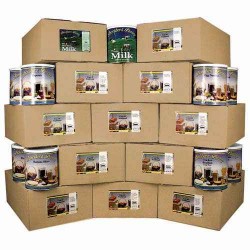
If you are not used to eating “survival foods”, they can be a real shock to your system if you rapidly switch to a diet that consists of only food storage items. Times of emergency are challenging enough, it’s not good to add the additional stress of a complete diet change into the mix. This is especially important for small children who won’t necessarily understand what’s going on. So hopefully your food storage doesn’t look like this – unopened, stashed in the basement, hiding from your kitchen.
Once you decide to start incorporating food storage into your everyday cooking, you should do so gradually or your family may get sick. Wheat and beans are high in fiber and if introduced too quickly can give your body a fiber overload and cause you to not feel so well when you eat those foods. Here are some ways you can add these foods to your diet slowly so your family has time to get used to them.

1. Start cooking from scratch and add little bits at a time and gradually increase it. This can work well for making bread. Start with only 1/4 of the flour being whole wheat flour. Work your way up to 100% whole wheat over the course of a few months.
2. Use food storage foods 1-2 times per week. Gradually increase this number over a few months. This works well for foods like beans. You can use dried beans in a few meals a week without your family getting tired of them or having adverse reactions.
3. Try your food storage items in desserts. This is a tip from Crystal over at Everyday Food Storage. By introducing them in desserts you can build up your family’s tolerance for new foods.

If you have a wheat allergy, please make sure to review our post about Alternatives to Wheat for Food Storage, and if you don’t have a wheat grinder, view our post called 7 Ways to Use Wheat Without a Grinder. Between those two posts there should be some tricks for everyone to be able to start incorporating their wheat and other foods into their diet on a regular basis.

-Jodi Weiss Schroeder
http://foodstoragemadeeasy.net